
🔹 Introduction
When sourcing industrial components, the choice between forging and casting can impact strength, cost, and lead time. Each method has its own advantages, and understanding their differences is key to making the right decision for your application.
🔹 What Is Forging?
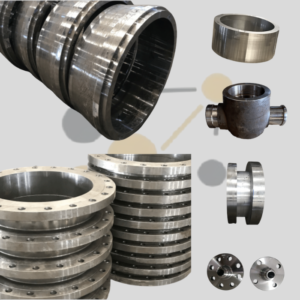
Forging is a manufacturing process where metal is shaped using compressive force, typically by hammering or pressing. It’s known for producing very strong components with refined grain structure.
Benefits of Forging:
- Superior strength and fatigue resistance
- Minimal material waste
- Better grain flow and mechanical properties
Common Applications:
- Crankshafts, gears, connecting rods, valve components
🔹 What Is Casting?
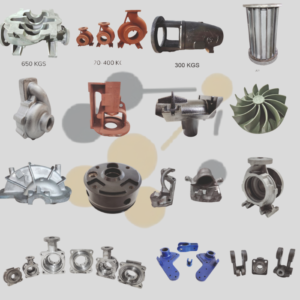
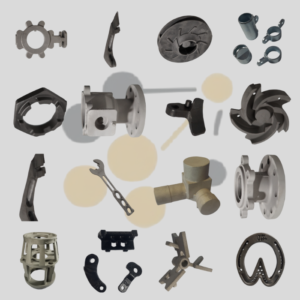
Casting involves pouring molten metal into a mold where it solidifies into shape. It allows for complex shapes and is ideal for large or intricate parts.
Benefits of Casting:
- Ideal for complex geometries
- Lower tooling costs for small batches
- Good dimensional accuracy
Common Applications:
- Pump housings, engine blocks, brackets, decorative components
🔹 Forging vs. Casting: Key Differences
| Feature | Forging | Casting |
|---|---|---|
| Strength | Very high | Moderate |
| Precision | Moderate | High (depending on process) |
| Cost (Low Volume) | Higher | Lower |
| Complexity | Simple to moderate shapes | High complexity possible |
| Lead Time | Shorter for repeat batches | Longer, especially for setup |
🔹 When to Choose Forging
- Parts will be exposed to high stress or fatigue
- You need superior mechanical strength
- You can use moderate shapes and tolerate some tooling investment
🔹 When to Choose Casting
- You need complex or hollow geometries
- You’re producing low-to-mid volume batches
- The part doesn’t need maximum strength
🔹 How Plisources Can Help
At Plisources, we help you evaluate your component’s requirements and match you with the right forging or casting suppliers across India. We handle everything from factory vetting to logistics — while you focus on scaling.
👉 Submit an Inquiry to get started.
🔹 Final Thoughts
Both forging and casting have their place in modern manufacturing. The key is to understand your part’s function, volume, and cost priorities — or better yet, partner with a team that handles it all for you.